Tree inspections in Camden
If you own, manage, or care for trees in Camden, regular tree inspections are one of the most practical ways to protect people, property, and the trees themselves. From compact front gardens in Kentish Town to larger communal spaces near Regent’s Park, from school grounds in Primrose Hill to commercial courtyards in King’s Cross, trees in this part of London face constant pressure. Tight access, heavy footfall, nearby buildings, underground services, changing weather, and ongoing construction all make tree inspections in Camden a sensible part of routine property care.
A proper inspection does more than simply look at whether a tree appears healthy. It helps identify structural weaknesses, disease, decay, root problems, storm damage, and safety concerns before they become expensive or dangerous. Whether you need a one-off survey after strong winds, a condition check before works start, or regular inspections for a portfolio of properties, a local arboricultural team can provide the insight you need to make informed decisions.
For Camden customers, the benefit of using a local service is straightforward: local knowledge matters. A team familiar with the borough understands the mix of Victorian terraces, mansion blocks, commercial sites, estate land, and busy streets that shape day-to-day tree care. That means more practical advice, better access planning, and recommendations that fit the realities of local properties rather than generic, one-size-fits-all solutions.
Why tree inspections matter for Camden properties

Trees can look stable from the outside while hidden issues develop within the trunk, branches, roots, or canopy. In a dense area like Camden, that can be a concern because a single failing limb may affect pavements, parked vehicles, neighbours, balconies, shopfronts, or public walkways. Tree inspections help spot those issues early and give property owners a clear understanding of risk and next steps.
Routine checks are especially important where trees are close to homes, schools, nurseries, offices, restaurants, and busy pedestrian routes. Camden includes many streets with narrow frontages and limited space between tree stems, walls, and buildings. That makes it harder to notice early movement, fungal fruiting bodies, root heave, or crown imbalance without a trained eye. A professional inspection can highlight what is urgent, what is monitorable, and what can simply be recorded for the future.
Inspections are also useful before buying, letting, or managing a property. If a tree has grown too close to a structure, is showing signs of stress, or may be affected by nearby works, early advice can prevent avoidable disruption. For landlords, block managers, and commercial property teams, documented inspections can also support responsible management and help plan maintenance in a structured way.
What a tree inspection can identify

A detailed tree inspection examines both the visible tree and the conditions around it. A qualified arboricultural professional may assess the crown, trunk, branches, roots, nearby soil, and site constraints, then recommend further action if required. The aim is to provide a practical view of condition rather than simply labelling a tree as “good” or “bad”.
Common issues identified during inspections include deadwood, weak unions, split stems, cavities, fungal decay, snapped or hanging branches, crown dieback, storm damage, root disturbance, soil compaction, signs of disease, and changes in lean or movement. In Camden, where construction, excavation, and busy urban use are common, root stress and soil disturbance can be just as important as canopy symptoms.
An inspection may also check whether a tree is affecting nearby structures or being affected by them. For example, branches may rub against roofs or windows, roots may be constrained by paving, and canopies may be overextended due to competition for light. These observations help create a more accurate picture of tree health and safety.
When to arrange tree inspections in Camden
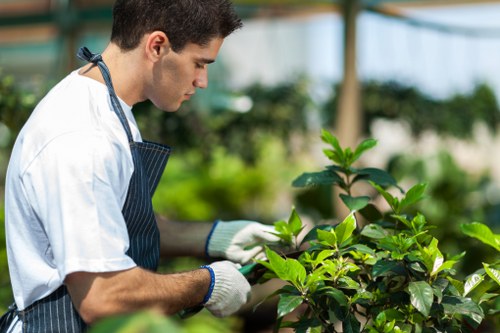
There are several situations where it makes sense to arrange an inspection without delay. After strong winds or prolonged rain, a tree may have loosened in the ground or suffered hidden branch damage. If you notice fungi at the base, a sudden increase in dead branches, or a new crack in the trunk, it is sensible to ask for a professional opinion quickly. The same applies if a tree is leaning more than before, or if you have concerns about overhanging branches near a path, road, or boundary.
Inspections are also valuable before planned works. If you are extending a property, installing scaffolding, repaving a driveway, carrying out basement works, or planning landscape changes, a tree inspection can show what protection may be needed. In Camden, where many projects involve limited access and close neighbours, early assessment can help avoid unnecessary delays or disagreements.
Another important moment is when a tree becomes part of regular property management. Many landlords, housing associations, schools, and business owners arrange periodic inspections so they can keep records up to date and act early when conditions change. This is often the most cost-effective way to manage urban trees because small issues are easier to address than major failures.
Typical triggers for inspection
- Visible cracks, splits, or cavities in the trunk or major limbs
- Deadwood, hanging branches, or repeated branch drop
- Fungal growth or decay indicators near the base
- Storm damage, high winds, or prolonged saturation
- Ground movement, root upheaval, or changes in lean
- Construction, excavation, or paving works nearby
- Concerns from neighbours, tenants, visitors, or site users
How our Camden tree inspection service works

The process should be straightforward for the customer. It usually begins with a discussion about the tree or trees of concern, the site setting, and the reason for inspection. That helps the arboricultural team understand whether the job is about routine monitoring, urgent safety concerns, pre-development planning, or a specific visible issue.
Once on site, the tree is assessed from ground level and viewed in relation to its surroundings. A professional inspection looks at the tree’s structure, vitality, evidence of defects, and the level of risk posed by its position. In Camden, that context is important: a minor defect in an open setting may be less concerning than the same issue beside a busy entrance, narrow pavement, or residential boundary.
After the assessment, the findings are explained in clear language. You should know what was noticed, what matters most, and whether the tree needs monitoring, pruning, further investigation, or more immediate action. Where appropriate, you can also receive advice about ongoing inspections, maintenance timing, and how to reduce risk without removing healthy trees unnecessarily.
What customers usually receive
- A visual inspection of the tree or trees in question
- Notes on defects, disease indicators, and structural concerns
- Practical recommendations based on the site conditions
- Advice on whether follow-up work is needed
- Support for planning future inspections or maintenance
Who needs tree inspections in Camden?
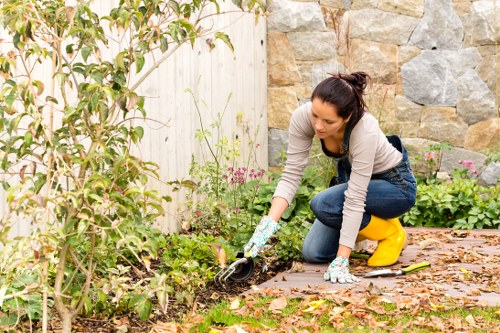
Tree inspections are useful for many different customers across Camden. Homeowners often want peace of mind about trees near houses, extensions, driveways, and boundary walls. Landlords and letting agents need to keep an eye on tree condition across gardens, access routes, and communal spaces. Flat owners and block managers may need inspections for courtyards, shared grounds, and trees near entrances or parking areas.
Commercial customers also benefit from regular tree checks. Offices, restaurants, retail units, and mixed-use developments often have trees close to public access points where safety matters every day. Schools, colleges, care settings, and community facilities need to know that the trees on their sites are being watched carefully, especially where children, residents, or visitors are moving around beneath them.
Public-sector and estate-managed sites may require a structured inspection approach too. With many users and frequent foot traffic, it is important to know which trees need immediate action and which can remain in place with routine monitoring. A local service can be especially useful when a site has limited parking, restricted loading access, or strict timings for works.
Why a local Camden tree team makes a difference
Choosing a local arboricultural service brings practical advantages that matter in the real world. Camden is not a uniform area; it includes dense residential streets, conservation-sensitive neighbourhoods, busy transport corridors, older estates, and property types that vary a great deal from one road to the next. A local team is more likely to understand the challenges that come with that mix, including restricted access, neighbour considerations, and the need to work neatly and efficiently.
That local understanding can also improve the quality of advice. For example, trees near long rows of terraces may be affected by reflected heat and limited rooting space, while trees beside heavier traffic or redevelopment sites may show different stress patterns. Knowing the area helps the inspector interpret what they are seeing and suggest practical actions that suit the location.
Local service also matters when timing is important. If a defect is reported, if a branch has failed, or if a site needs a quick assessment before works begin, a nearby team is often better placed to attend promptly and manage the logistics of a Camden visit. That can make the whole process easier for owners and managers who need clear answers without unnecessary delays.
Access and parking challenges in Camden
Camden property owners know that access is often one of the biggest factors in tree work and tree inspection planning. Narrow streets, controlled parking, shared entrances, and limited space for equipment can all affect how a job is carried out. Even a visual inspection may need careful scheduling if the tree is in a rear garden, courtyard, internal communal space, or a property with restricted entry.
Because of this, it helps to use a team that is comfortable working in built-up environments. Good planning can reduce disruption and make the visit smoother for everyone. If there are gates, codes, residents’ schedules, loading restrictions, or nearby businesses to consider, those details can usually be handled more effectively when the team knows the borough and its layout.
For many Camden customers, that convenience is just as important as the inspection itself. A good local service should be organised, communicative, and respectful of the site.
Areas covered across Camden
Tree inspections are carried out across the borough, including a wide range of residential and commercial locations. Because trees and property types vary from one neighbourhood to another, every visit is tailored to the site rather than treated as a standard box-ticking exercise.
- Camden Town
- Kentish Town
- Primrose Hill
- Hampstead borders and nearby streets
- King’s Cross and the surrounding commercial areas
- Belsize Park
- Gospel Oak
- Chalk Farm
- Bloomsbury edge locations
- Somers Town
- Holborn-adjacent properties
If your property sits near a boundary with another borough, the same local approach still applies. Many customers in Camden manage trees on sites that are close to Westminster, Islington, Brent, or the City of London, and the practicalities of access, neighbours, and site use remain central to the inspection process.
What affects the price of a tree inspection?
Every inspection is different, so pricing depends on the site, the number of trees, and the level of detail required. A single tree at a straightforward front garden location will usually involve less time than a group of trees across a shared estate or a commercial site with restricted access. That is why the most useful next step is often to request a quote based on your specific property and needs.
Factors that can influence the cost include the number of trees to be inspected, how easy they are to access, whether a written report is needed, the urgency of the visit, and whether the inspection is routine or connected to a particular concern. Larger sites may also need a more structured approach, especially when trees are spread across different parts of a building or grounds.
Although it may be tempting to delay inspections to avoid another property expense, that can be a false economy. Early detection often reduces the chance of emergency work, preventable damage, or unnecessary tree loss. In many cases, a timely inspection helps preserve a tree while still protecting people and property.
How to prepare for a tree inspection
Preparation is usually simple, but a few steps can help the visit run smoothly. If you are arranging an inspection for a Camden home, business, or managed site, it helps to gather any previous reports, note any visible changes, and make sure the arborist can reach the tree safely. If access is through a shared entrance, rear alley, or locked gate, be ready to explain the arrangements in advance.
It is also useful to think about what has changed recently. Has the tree suffered storm damage? Has nearby building work begun? Have branches started rubbing against a roof or fence? Has there been movement in the soil or paving? These details help the inspector focus on the most relevant issues and may influence whether a more detailed follow-up is recommended.
Simple preparation checklist
- Clear access to the tree where possible
- Share any known concerns or recent changes
- Make note of previous pruning or inspection records
- Arrange access for communal, rear, or locked areas
- Identify any nearby hazards, parked vehicles, or site restrictions
- Let residents, staff, or neighbours know if needed
Why inspections support healthier trees as well as safer sites
Tree care is not only about risk management. It is also about helping trees remain healthy for as long as possible. A tree that is inspected regularly is more likely to receive the right kind of care at the right time. That may mean monitoring a minor defect, adjusting pruning schedules, reducing soil compaction, or protecting roots during works. In a city like Camden, where growing space is often limited, that ongoing attention can make a meaningful difference.
Healthy urban trees contribute shade, character, wildlife value, and a more pleasant environment for residents and visitors. Protecting them starts with understanding their condition. A well-timed inspection can reveal whether a tree is coping well with its site or whether it is under stress from crowding, drought, compaction, or infrastructure pressure. That information helps owners make balanced decisions.
When a tree does need work, a good inspection can also help avoid over-treatment. Not every defect means removal, and not every tree near a building is automatically unsafe. Clear, professional advice allows you to act proportionately, which is especially important where trees are valued by neighbours and local communities.
Common customer questions about tree inspections in Camden
Customers often have practical questions before they book. Here are some of the most common ones, along with straightforward answers.
Do I need a tree inspection if the tree looks fine?
Yes, if the tree is close to people, buildings, or regular use areas, an inspection can still be worthwhile. Many defects develop inside the tree or at root level before they become visible. A tree that appears healthy may still have structural issues that only a trained assessor can spot.
How often should trees be inspected?
That depends on the species, age, condition, location, and use of the site. Trees in busy or high-risk settings are usually checked more regularly than those in low-use areas. A local arborist can suggest a sensible inspection interval based on the specific property.
Can inspections help before building or landscaping work?
Absolutely. If you are planning an extension, hard landscaping, scaffolding, or excavation, an inspection can show where tree roots or canopies might be affected. This is especially helpful in Camden, where space is often tight and trees may be close to foundations, boundaries, or service runs.
What if the inspection finds a serious problem?
If a serious defect is found, you will be told what it means in practical terms and what should happen next. That may involve monitoring, targeted pruning, further investigation, or urgent safety measures, depending on the situation. The aim is to give you clear, usable information so you can act with confidence.
Can you inspect multiple trees at once?
Yes. Many Camden customers ask for multiple trees to be assessed during the same visit, especially on shared plots, estates, or commercial sites. This can be a sensible way to manage several trees consistently and keep records together.
Choosing the right service for your property
When looking for tree inspections in Camden, customers generally want more than a quick visual glance. They want a service that is careful, clear, and practical. They want someone who can explain risk without creating unnecessary alarm, and who understands how to work around local property layouts, neighbours, and day-to-day site use.
That is why experience with urban trees matters. Camden sites often require a balance of tree knowledge and real-world awareness: how to work around limited parking, how to access rear gardens or communal yards, how to minimise disruption, and how to provide advice that fits the customer’s priorities. Whether the tree is in a private garden, on a managed estate, or beside a commercial entrance, the inspection should feel relevant to the site rather than generic.
If you are unsure whether a tree needs a check, it is usually better to ask early. A brief conversation can help you decide whether a simple assessment is enough or whether a more detailed inspection is the right next step. Contact us today to discuss your tree concerns, request a free quote, or book your service now.
Ready to arrange tree inspections in Camden?
If you need reassurance about a tree on your property, support after storm damage, or a routine check for managed grounds, a local inspection service is a practical first step. Camden customers often benefit from prompt, site-specific advice that takes account of both the tree and the setting around it. Whether you are a homeowner, landlord, facilities manager, or commercial property owner, the right inspection can help you make informed decisions and plan ahead with confidence.
From single trees in small gardens to grouped trees across larger sites, inspections can be tailored to the level of detail you need. The process is designed to be helpful, efficient, and focused on your real concerns. If you want to protect people, preserve healthy trees, and avoid avoidable surprises, book your service now and arrange a professional assessment for your Camden property.
Tree inspections are a small step that can make a big difference, especially in a busy borough where trees and buildings often sit close together.
Request a free quote and get the right advice for your site, your trees, and your peace of mind.